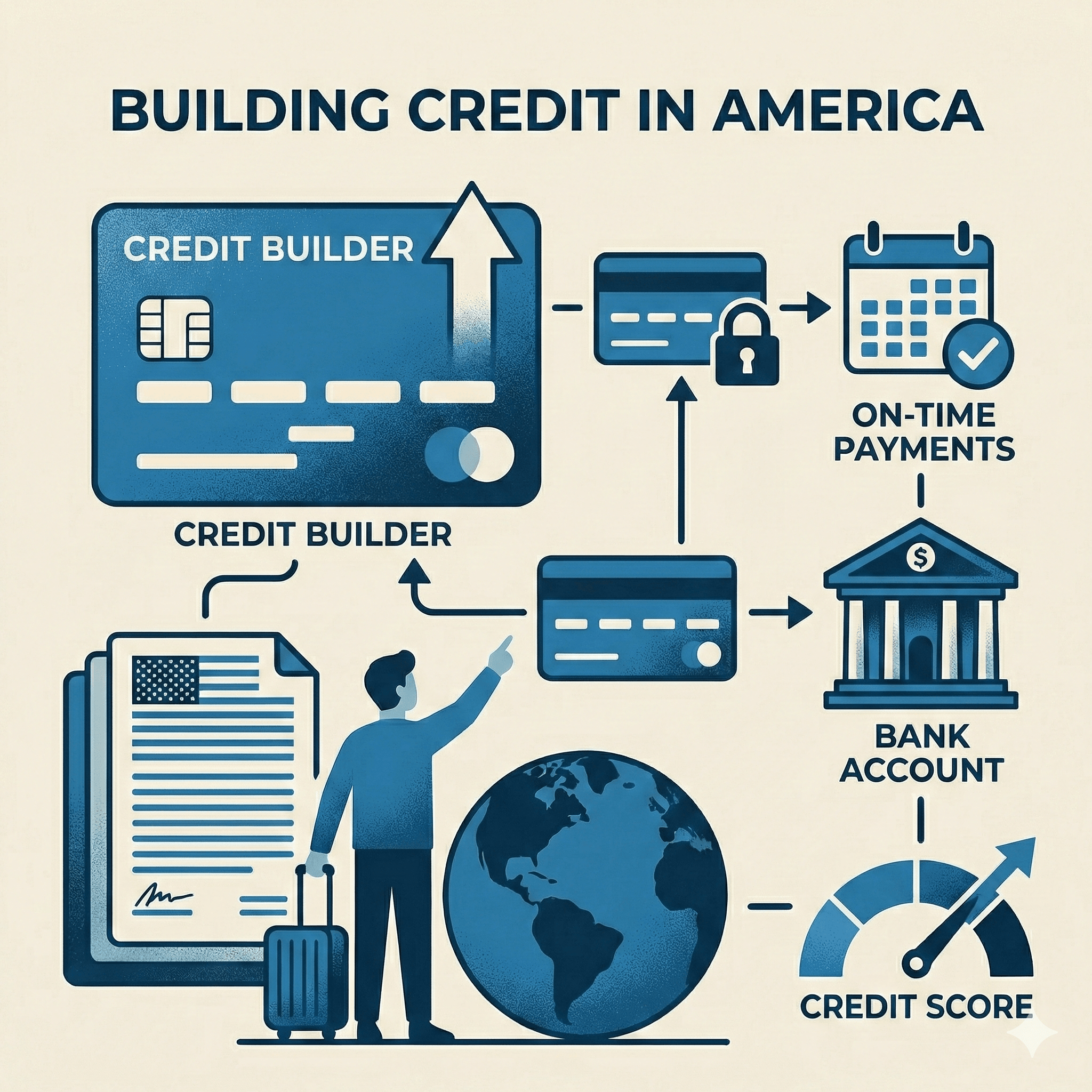
From Zero to 750: Your Journey to Building Credit in America
⚠️ Disclaimer: This article is for educational and informational purposes only. It does not constitute financial, legal, or professional advice. Credit building strategies vary by individual circumstances. Always consult with a qualified financial advisor, credit counselor, or other appropriate professional before making financial decisions. The author and Duti.co are not responsible for any actions taken based on this information.
You've arrived in America ready to build your future, but there's an invisible number that will impact nearly every major financial decision you make: your credit score. Whether you're trying to rent an apartment, buy a car, or start a business, your credit history matters. The good news? Even starting from absolute zero, you can build excellent credit with the right strategy.
🎯 What Is Credit and Why Does It Matter?
In many Himalayan cultures, trust and reputation are built through personal relationships and community knowledge. American credit works similarly, but instead of elders vouching for you, it's a number between 300-850 that tells lenders whether you're trustworthy with money.
📊 What Credit Affects in Your Life
🏠 Housing
- ✓ Apartment rental approval
- ✓ Security deposit amounts
- ✓ Home mortgage eligibility
- ✓ Interest rates offered
🚗 Transportation
- ✓ Auto loan approval
- ✓ Interest rates (can save $1,000s)
- ✓ Insurance premiums
- ✓ Lease options
💼 Employment
- ✓ Some job applications
- ✓ Security clearances
- ✓ Professional licenses
- ✓ Business loans
🔢 Understanding Credit Scores: The Numbers Explained
Credit Score Ranges
📈 What Makes Up Your Credit Score?
🚀 Step-by-Step: Building Credit from Zero
Month 1-2: Foundation Building
Get Your Social Security Number or ITIN
Open a Bank Account
Recommended for immigrants:
- • Chase (good mobile app, many locations)
- • Bank of America (accepts ITIN)
- • Local credit unions (often more flexible)
Apply for Your First Credit Card
💳 Your First Credit Card Options
✨ Best: Secured Credit Card
- Discover it® Secured
✓ No annual fee
✓ Cash back rewards
✓ Free credit score tracking
- Capital One Platinum Secured
✓ Possible credit line increase
✓ Reports to all 3 bureaus
✓ No foreign transaction fees
Alternative: Credit Builder Loan
- ✓ Self (formerly Self Lender) - 100% online
- ✓ Local credit unions
- ✓ Community development banks
📖 Real Success Story: Tenzin's Credit Journey
Tenzin's Journey: 0 to 720 in 18 Months
✓ Applied for Discover Secured card with $300 deposit
✓ Never missed a payment
✓ Kept utilization under 20%
✓ Discover graduated card, returned $300 deposit
✓ Applied for second card (Chase Freedom)
✓ Approved for auto loan at 4.5% interest
✓ Rented nicer apartment with no extra deposit
Tenzin's Key Strategy
🎓 The Golden Rules of Credit Building
✅ ALWAYS DO
- ✓ Pay on time, every time - Set up autopay for at least the minimum
- ✓ Keep utilization under 30% - If limit is $500, use max $150
- ✓ Pay in full each month - Avoid interest charges completely
- ✓ Check your credit report - Free at AnnualCreditReport.com
- ✓ Keep old accounts open - Length of history matters
❌ NEVER DO
- ✗ Miss payments - Even one 30-day late payment hurts badly
- ✗ Max out cards - High utilization tanks your score
- ✗ Apply for too many cards - Each application is a "hard inquiry"
- ✗ Close old accounts - This shortens your credit history
- ✗ Co-sign without trust - You're responsible if they don't pay
💰 The Real Cost Difference of Good Credit
Understanding credit isn't just theoretical – it has massive financial impact:
Example: $20,000 Car Loan (60 months)
| Credit Score | Interest Rate | Monthly Payment | Total Interest Paid |
|---|---|---|---|
| 580 (Poor) | 14.5% | $468 | $8,080 |
| 650 (Fair) | 9.5% | $420 | $5,200 |
| 720 (Good) | 4.5% | $373 | $2,380 |
🛡️ Protecting Your Credit: Common Immigrant Traps
❌ Trap #1: "Credit Repair" Scams
❌ Trap #2: Subprime Credit Cards with Hidden Fees
❌ Trap #3: Co-signing for Friends/Family Too Soon
📱 Free Tools to Monitor Your Progress
📊 Credit Karma
- ✓ Free credit scores (2 bureaus)
- ✓ Credit monitoring
- ✓ Personalized recommendations
📈 Experian (free tier)
- ✓ FICO score access
- ✓ Experian Boost (add utility bills)
- ✓ Credit report access
🔔 AnnualCreditReport.com
- ✓ Official free credit reports
- ✓ All 3 bureaus
- ✓ Check for errors
🚦 Your 18-Month Credit Building Roadmap
The Timeline to Good Credit
- → Get SSN/ITIN
- → Open bank accounts
- → Get secured credit card
- → Make first purchases and payments
- Expected score: 600-650
- → Continue perfect payment history
- → Keep utilization under 30%
- → Consider credit builder loan
- → Monitor credit reports
- Expected score: 650-680
- → Secured card may graduate
- → Apply for 2nd credit card
- → Maintain low utilization
- → Never miss payments
- Expected score: 680-710
- → Eligible for premium cards
- → Qualify for better auto loans
- → Lower insurance premiums
- → Ready for mortgage (with other factors)
- Expected score: 710-740+
🎯 Your Action Plan: Start This Week
This Week's To-Do List
- ☐ Monday: Research secured credit cards (Discover it® Secured or Capital One Platinum)
- ☐ Tuesday: Gather required documents (SSN/ITIN, proof of address, employment info)
- ☐ Wednesday: Open a bank account if you don't have one
- ☐ Thursday: Apply for ONE secured credit card
- ☐ Friday: Sign up for Credit Karma to start monitoring
- ☐ Weekend: Create a budget to ensure you can pay off card in full monthly
💭 Common Questions from the Himalayan Community
Q: Will checking my own credit score hurt it?
Q: I send money home to family every month. Does this affect my credit?
Q: Can I build credit with just an ITIN (no Social Security Number)?
Q: How is American credit different from credit in Nepal/Tibet/Bhutan?
Q: Should I get a secured card or just save that deposit money?
🌟 Final Thoughts: Your Credit Journey Starts Today
Building credit in America might feel overwhelming at first, especially when you're navigating a new country and culture. But remember: every person with excellent credit today once started from zero, just like you.
Your cultural background of keeping commitments and honoring agreements is exactly the mindset that builds excellent credit. In many ways, you're already prepared – you just need to learn the American system.
Remember These Three Things:
1️⃣ Payment history is everything – Pay on time, always
2️⃣ Start small and be patient – Good credit takes time, not money
3️⃣ Use credit as a tool, not free money – Only spend what you can pay back
In 18 months, you could have a credit score that opens doors to homeownership, business loans, and financial opportunities you never thought possible. The journey begins with a single step – that secured credit card application.
Your future self will thank you for starting today.
Have questions about building credit as an immigrant? Share them in the comments below. Let's help each other navigate this important part of the American financial system!
Related Reading
Explore more articles that complement this topic:
- Buying Your First Home as an Immigrant — Learn how good credit unlocks homeownership opportunities for immigrant families.
- Tax Filing for Immigrants — Understanding taxes is essential for maintaining your financial health and credit.
- Smart Financial Habits for New Immigrants — Build a strong financial foundation alongside your credit journey.