The American Dream: Your Path to Homeownership
⚠️ Disclaimer: This article is for educational and informational purposes only. It does not constitute financial, legal, real estate, or mortgage advice. Housing markets vary significantly by location. Lending requirements change frequently. Always consult with qualified professionals including real estate agents, mortgage lenders, attorneys, and financial advisors before making home purchase decisions. The author and Duti.co are not responsible for any actions taken based on this information.
Owning a home in America – it's why many of us came here. But with median home prices at $400,000-$500,000 in many cities, how can immigrant families making $50,000-80,000 possibly afford it? The answer: strategic planning, community support, and understanding the system. This guide shows you exactly how to go from renter to homeowner.
💰 The Real Cost of Buying a Home
Understanding the Numbers
Example: $400,000 Home Purchase Breakdown
- Down Payment (5%): $20,000
- Closing Costs (2-5%): $8,000-20,000
- Home Inspection: $400-600
- Appraisal: $500-800
- Moving costs: $1,000-3,000
- Immediate repairs/furnishing: $3,000-10,000
- Mortgage (P&I, 7%): $2,530
- Property Tax: $400
- Home Insurance: $150
- HOA (if applicable): $0-300
- Maintenance (1%/year ÷ 12): $330
- Utilities (vs. apt): +$100
🏦 Mortgage Options for Immigrants
Can You Get a Mortgage Without Being a Citizen?
🏛️ Conventional Loan
- • Down payment: 3-20%
- • Credit score: 620+ (700+ ideal)
- • PMI if under 20% down
- • Strict income/debt requirements
- • Best rates for good credit
🇺🇸 FHA Loan
- • Down payment: 3.5%
- • Credit score: 580+
- • Government-backed
- • Easier approval
- • PMI required (entire loan)
🏠 Other Options
- • VA: Veterans only (0% down!)
- • USDA: Rural areas (0% down)
- • State programs: First-time buyer assistance
- • Portfolio: Non-standard situations
💵 Down Payment Strategies
The Community Contribution Model
Real Example: Sonam's Home Purchase
- • Parents: $5,000 (gift)
- • Siblings: $3,000 (gift)
- • Uncle/Aunt: $2,000 (gift)
- • Total family: $10,000
- • Temple Dhukuti: $3,000
- • Close friends: $2,000
- • Total community: $5,000
Gift Letter Requirements
What Lenders Need for Gift Money
- ✓ Donor's name, address, phone
- ✓ Relationship to you
- ✓ Dollar amount of gift
- ✓ "This is a gift, not a loan"
- ✓ "No repayment is expected"
- ✓ Donor's signature
- ✓ Bank statement showing donor HAS the money
- ✓ Transfer receipt (check or wire)
- ✓ Deposit into YOUR account
- ✓ Your bank statement showing deposit
📋 The Home Buying Process: Step by Step
- → Check credit score (aim for 700+)
- → Save for down payment + closing
- → Pay down credit card debt
- → Gather 2 years tax returns, pay stubs
- → Get pre-qualified (free, rough estimate)
- → Choose 2-3 lenders, compare rates
- → Submit full application
- → Lender verifies income, credit, assets
- → Get pre-approval letter (shows you're serious)
- → Know your max budget
- → Hire buyer's agent (free - seller pays!)
- → Tour 10-20 homes
- → Research neighborhoods
- → Check schools, commute, safety
- → Make offer when you find "the one"
- → Offer accepted! Deposit earnest money ($1-3k)
- → Home inspection ($400-600)
- → Negotiate repairs
- → Appraisal ordered by lender
- → Final mortgage approval
- → Final walkthrough
- → Review closing disclosure (3 days before)
- → Bring cashier's check for closing costs
- → Sign 100+ pages of paperwork
- → Get keys – YOU'RE A HOMEOWNER!
💡 Money-Saving Strategies
✅ Smart Moves
- 1. Shop lenders aggressively
0.25% rate difference = $20k+ over 30 years. Get 3-4 quotes! - 2. Buy "ugly" homes in good areas
Outdated kitchen? Paint fixes a lot. Location > cosmetics. - 3. Close end of month
Pay less prepaid interest at closing. - 4. Negotiate seller credits
Ask seller to cover some closing costs. - 5. Get first-time buyer programs
Many states offer down payment assistance.
❌ Avoid These Mistakes
- 1. Buying at max approval amount
Just because you CAN borrow $500k doesn't mean you SHOULD. Leave buffer. - 2. Skipping home inspection
$500 inspection can save you $50,000 in hidden problems. - 3. Making big purchases before closing
New car? Furniture on credit? DON'T. Lenders re-check credit before closing. - 4. Changing jobs during process
Wait until after closing. Job changes can kill your loan approval. - 5. Draining emergency fund for larger down payment
Keep 3-6 months expenses. Home emergencies happen!
🤔 Rent vs. Buy: Making the Right Choice
Decision Framework
✅ Ready to Buy If:
- ☑ Staying in area 5+ years
- ☑ Stable job/income
- ☑ Credit score 700+
- ☑ Saved 10-20% down payment
- ☑ Emergency fund (separate from down payment)
- ☑ Debt-to-income ratio under 43%
- ☑ Emotionally ready for maintenance
⚠️ Keep Renting If:
- ☐ Might relocate within 3 years
- ☐ Job is unstable
- ☐ Credit score under 650
- ☐ Down payment under 5%
- ☐ No emergency fund
- ☐ High existing debt
- ☐ Not ready for repairs/maintenance
🎯 Your 2-Year Home Buying Plan
24-Month Roadmap to Homeownership
- • Pull credit reports, dispute errors
- • Pay down credit cards to under 30% utilization
- • Open high-yield savings for down payment fund
- • Set up auto-transfer: $300-500/month to savings
- • Research neighborhoods online
- Saved so far: $1,800-3,000
- • Increase savings rate (second job? side gig?)
- • Have "home fund" conversation with family
- • Apply tax refund to down payment fund
- • Drive through target neighborhoods on weekends
- • Improve credit score (pay all bills on time)
- Saved so far: $5,400-9,000
- • Meet with 2-3 lenders, get pre-qualified
- • Attend open houses to understand market
- • Formalize gift commitments from family
- • Research first-time buyer programs
- • Keep saving aggressively
- Saved so far: $9,000-15,000
- • Get full pre-approval
- • Hire buyer's agent
- • Actively house hunting
- • Receive family gifts (with proper letters)
- • Make offer, close on your home!
- Total saved: $12,600-21,000 + family gifts
💚 Final Thoughts
Homeownership is a huge step – emotionally and financially. For immigrant families, it represents stability, success, and providing for the next generation. But don't rush into it.
Key Takeaways:
🏡 Plan ahead – 2-3 years is realistic timeline
🏡 Community support is real – family gifts help millions buy homes
🏡 Credit matters more than citizenship – green card holders qualify same as citizens
🏡 Start small if needed – first home doesn't have to be forever home
🏡 Buy when YOU'RE ready – not when others pressure you
Are you saving for a home? What's your biggest challenge? Share in the comments!
Related Reading
Explore more articles that complement this topic:
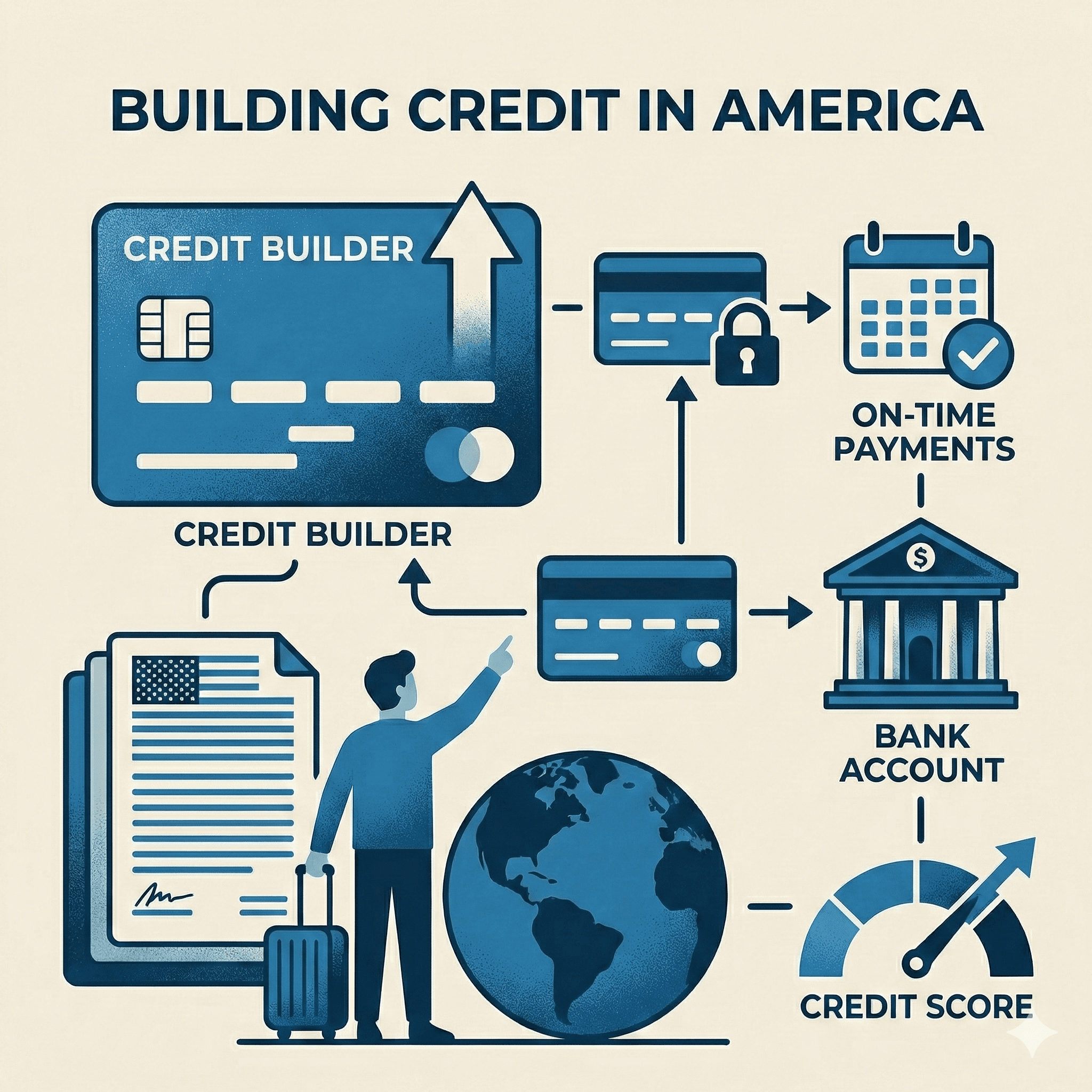
- Building Credit in America -- A strong credit score is the key to unlocking mortgage approval.
- Tax Filing for Immigrants -- Tax returns are required documentation for mortgage applications.
- The Digital Evolution of Community Savings -- Community savings circles can help you build your down payment faster.